Driving in Canada as a Visitor 2026: Rules, License, Insurance and Practical Tips
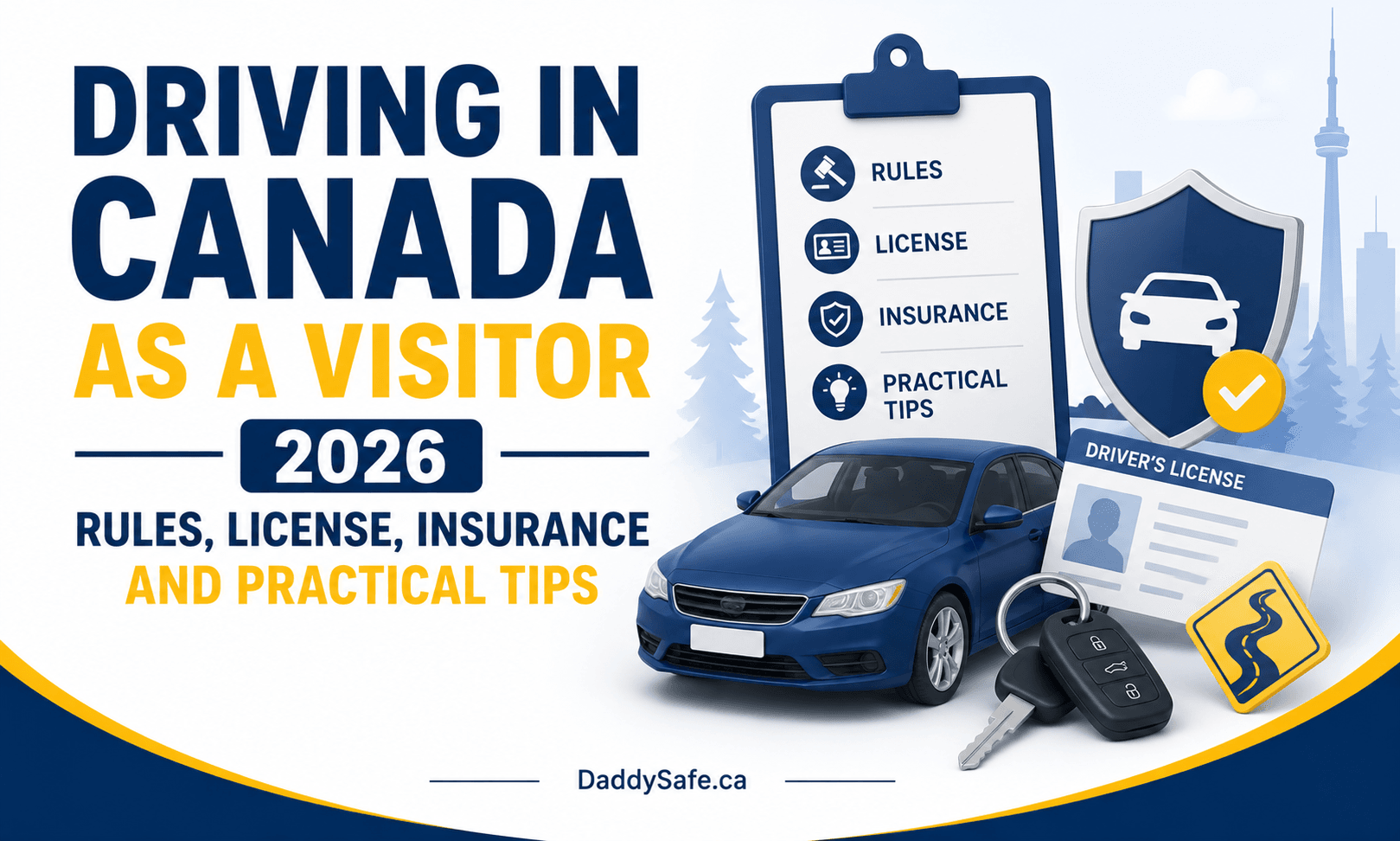
Whether your parents are visiting on a Super Visa, your in-laws are coming for a wedding, or you are a tourist planning a Banff to Lake Louise drive, knowing the rules around driving in Canada as a visitor saves you stress, money, and the occasional ticket. This 2026 guide covers exactly what license you need, how long you can drive on a foreign license, car rental rules, road safety, and the visitor insurance you should not skip.
Can a visitor drive in Canada?
Yes. Visitors can legally drive in Canada on a valid foreign driver's license, typically for up to 90 days from the date of entry, depending on the province. Some provinces extend this to 6 months. After that, you must convert to a Canadian provincial license if you are still in the country.
Do you need an International Driving Permit (IDP)?
Strongly recommended, especially if your driver's license is not in English or French. The IDP is not a separate license; it is a translation of your existing one, recognized in over 150 countries. You must obtain it in your home country before travelling. Without it, police and rental car companies may refuse the foreign license.
How long can you drive on a foreign license?
Province by province, the limits look like this:
Alberta: 1 year
British Columbia: 6 months
Ontario: 60 days for residents, but visitors with valid foreign license plus IDP can drive throughout their stay
Quebec: 6 months
Manitoba and Saskatchewan: 3 months
Nova Scotia, New Brunswick, PEI, Newfoundland: 3 months for visitors
Always check the most current rules with your provincial transport authority before driving long-term.
Renting a car as a visitor
Most major rental companies in Canada (Enterprise, Hertz, Avis, Budget, National, Discount, Alamo) accept a valid foreign driver license, but they have rules:
Minimum age is usually 21 (sometimes 25 for premium vehicles)
Drivers under 25 may pay a young-driver surcharge
An IDP is often required if the license is not in English or French
A credit card in the renter's name is required for the deposit
An optional collision damage waiver and supplementary liability insurance is highly recommended
Driving rules every visitor should know
Drive on the right. Canada drives on the right side of the road.
Speed limits are in km/h. Highway 100 to 110, city 50, school zones 30 to 40.
Right turn on red is allowed almost everywhere except Montreal Island.
Seatbelts mandatory for all passengers.
No phone use while driving. Hands-free Bluetooth is fine.
Zero tolerance for impaired driving. Penalties are immediate and severe.
Stop completely for school buses with flashing red lights, in both directions, on most provincial roads.
Yield to emergency vehicles by pulling to the right.
Winter driving tips for visitors
Canadian winters are no joke. If your visit overlaps November through April:
Choose a rental with winter tires (mandatory in Quebec, BC mountain highways, recommended elsewhere)
Carry a basic winter kit: blanket, snow brush, jumper cables, gloves, water
Allow extra braking distance ice can be invisible
Avoid mountain passes during storms
Keep at least half a tank of fuel at all times
The insurance you actually need as a visitor
Two separate insurance types matter:
1. Vehicle insurance
If you rent, the basic coverage from the rental company is usually limited. Always add the Loss Damage Waiver (LDW) and supplementary liability coverage. Some premium credit cards include rental car insurance check yours before paying twice.
2. Personal medical insurance
This is the one most visitors forget. If you are in a car accident, your rental car insurance pays for the vehicle, but your personal medical bills are on you. Canada's public healthcare does not cover visitors. A serious accident can mean tens of thousands in hospital costs.
Compare visitor medical insurance from the five IRCC-aligned insurers on DaddySafe Visitors to Canada:
For longer-term visits, especially Super Visa stays, locking in a 1-year IRCC-aligned medical policy is essential.
If you are in an accident as a visitor
Stop immediately and check if anyone is hurt
Call 911 if there are injuries or major damage
Exchange license, insurance, and contact details with the other driver
Take photos of the scene and the damage
Notify the rental company within 24 hours
File a claim with the relevant insurer (vehicle insurance for damage, medical insurance for injuries)
Quick visitor driving checklist
Valid driver license from your home country
International Driving Permit (if license is not in English or French)
Passport and visa documents
Credit card for rental deposit
Rental insurance with LDW plus supplementary liability
Visitor medical insurance with at least 100,000 dollars coverage
Compare visitor insurance before you drive
Get an instant visitor insurance quote on DaddySafe covers all five major Canadian insurers, IRCC-aligned, full refund on visa refusal. Most travelers finish in under 5 minutes.
Related reading on DaddySafe: Best Visitor Insurance Plans in Canada 2026: Top 5 Insurers Compared | Visitor Insurance for Parents Visiting Canada | Emergency Medical Insurance for Visitors to Canada 2026 | Top 10 Things to Do in Canada With Visiting Parents
Related Blogs